Why passport and ID photos get rejected
Authorities are surprisingly open about why they refuse photos. Several publish lists of unacceptable examples. Put side by side, the same handful of causes appear again and again.
By Yaseen Khan. Last checked against the official sources on 11 November 2026.
A correct photo next to the mistakes that cause most rejections:
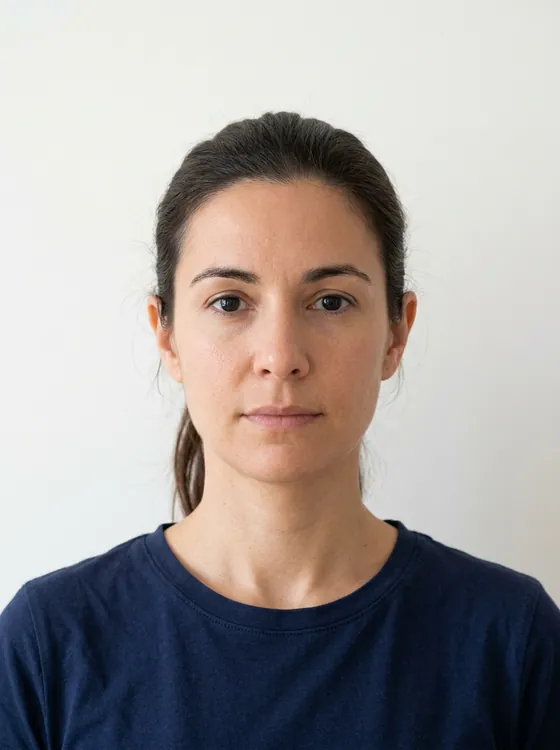 ✓ Good: plain background, even light, neutral face
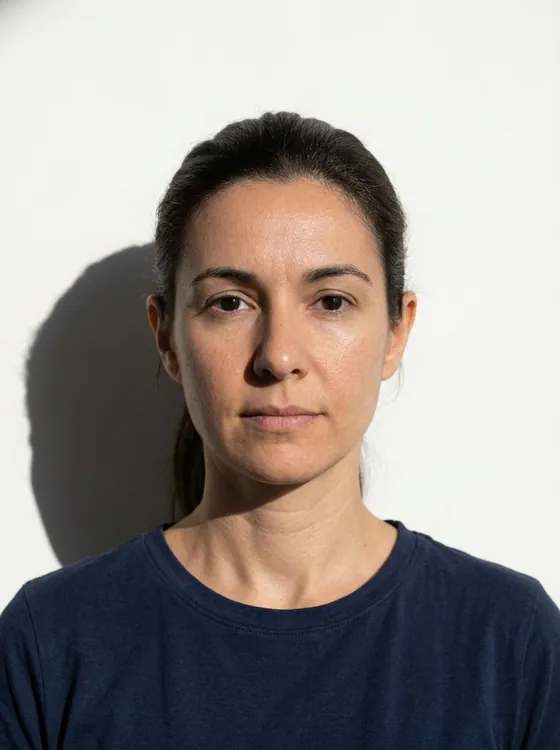 ✕ Shadow on the wall and face
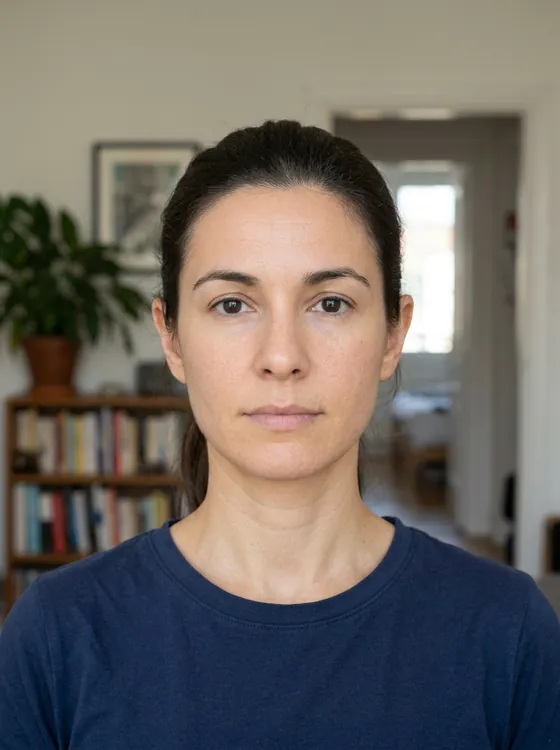 ✕ Busy background
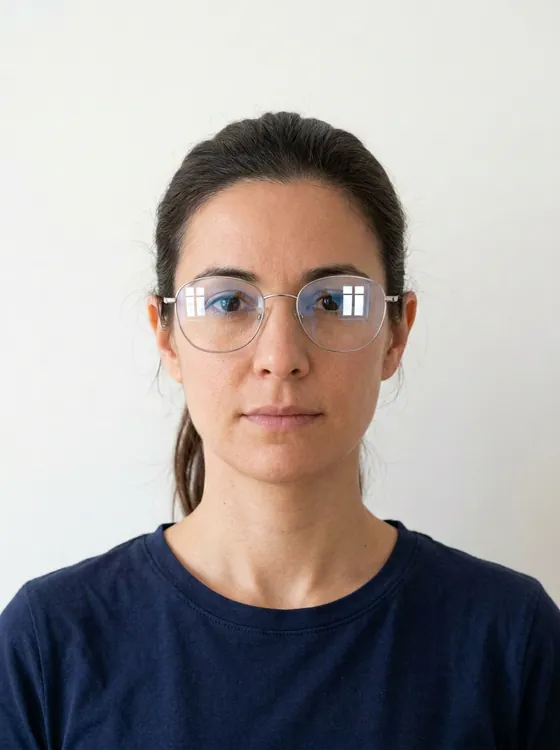 ✕ Glare on glasses
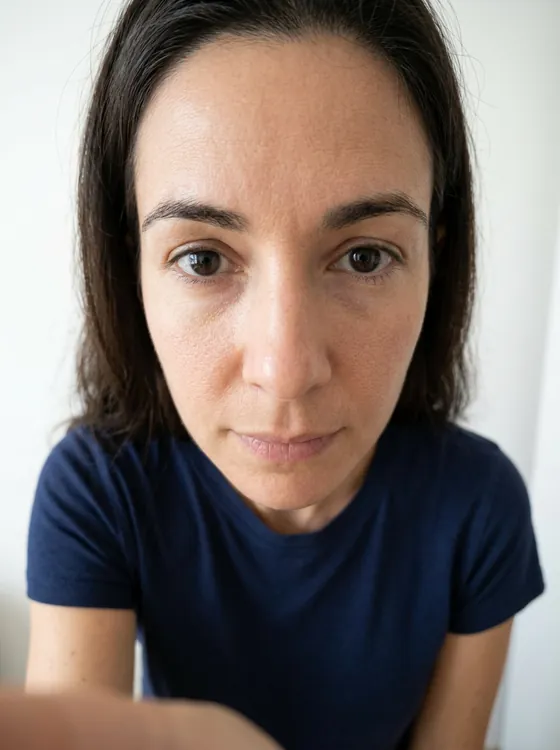 ✕ Selfie taken too close
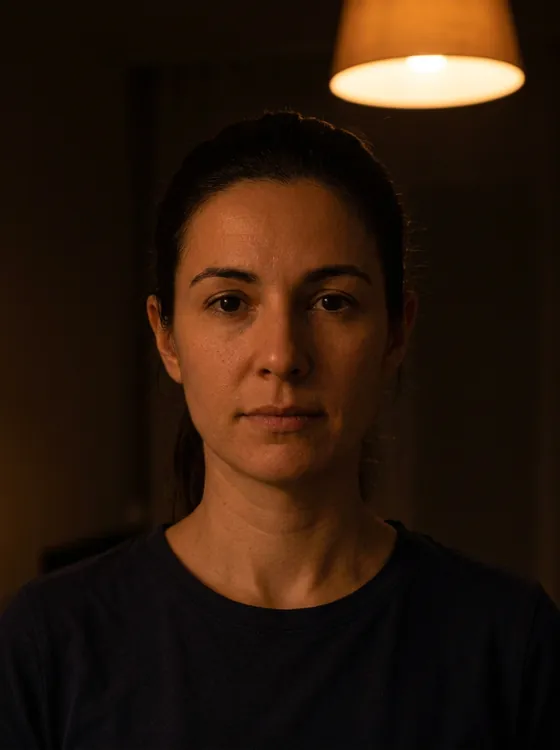 ✕ Too dark, orange light
 ✕ Broad smile showing teeth
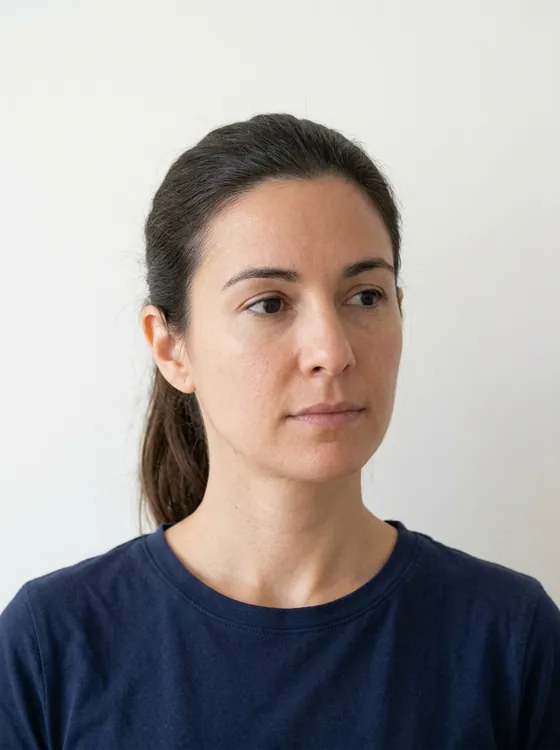 ✕ Head tilted and turned
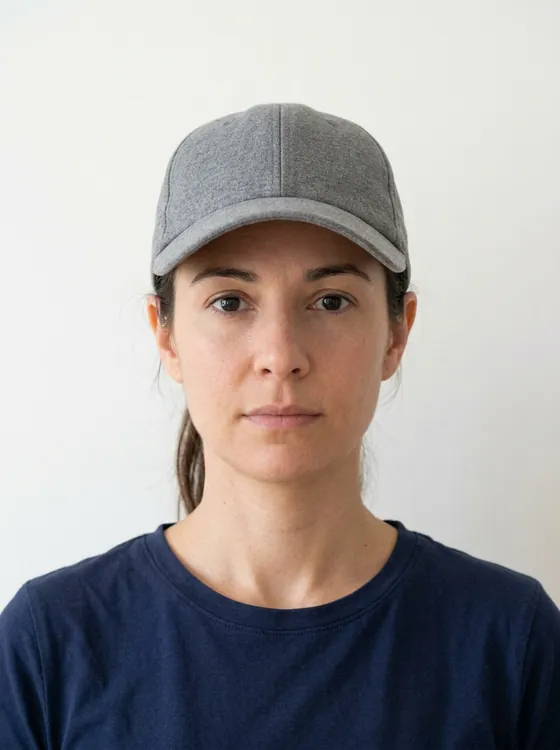 ✕ Cap shading the face
1. The camera was too close
New Zealand's passport office calls this the top reason photos are rejected. Australia's list of unacceptable photos opens with distortion from a camera held too close. Ireland and New Zealand refuse selfies for the same reason. Fix: have someone take the photo from about 1.5 metres and crop it afterwards.
2. The photo was edited
The U.S. Embassy in Manila (in a 2020 notice) puts digitally edited or retouched photos first among its five most common problems. Australia lists retouching, skin smoothing and edited backgrounds. College Board and ACT both refuse filtered photos. Fix: do not edit. Retake the photo in better light instead. See what counts as editing.
3. The head is the wrong size
Each document sets its own range, and they do not match:
| UK passport | 29 to 34 mm on a 45 mm photo |
|---|---|
| Schengen visa (German missions), Australian passport | 32 to 36 mm on a 45 mm photo |
| US passport | 1 to 1 3/8 inches on a 2 inch photo |
| DV lottery | 50 to 69% of the image height |
| China visa | 28 to 33 mm on a 48 mm photo |
ACT rejects both “face too small” and “face too close”. Australia lists framing that is too close or too far. Fix: measure. The ID photo maker shows the head size in the document's own units.
4. Lighting and shadows
Australia lists uneven lighting and red eye. ACT lists photos that are too dark or too light. The UK and Ireland refuse shadows on the face or behind the head. Fix: face a window in daylight, switch off the ceiling light and the flash, and stand half a metre in front of the wall.
5. The background is wrong
A background that is patterned, dark or the wrong colour is on almost every list. The colour rule varies: white or off-white for the United States, cream or light grey for a printed UK passport photo, and light but not white for the OCI card and the New Zealand visa. Fix: check your document's page before choosing the wall.
6. Glasses, headwear and things on the head
Glasses are refused outright for US passports, the DV lottery and the Indian e-Visa, and discouraged by the UK. Australia lists glasses, hats and wireless earbuds; the United States also bans headphones. Head coverings are accepted for religious or medical reasons where the face stays fully visible. Fix: take glasses off unless your document clearly allows them.
7. Expression and pose
Australia lists smiling, a head that is turned or tilted, looking away, and hair covering the eyes. College Board refuses a tilted head or a face not turned to the camera. Fix: shoulders square, head upright, eyes on the lens, mouth closed.
8. The file is wrong, even though the photo is fine
Online forms reject files before a person looks at them:
- Too large: over 240 KB for a US visa, over 200 KB for an OCI card, over 120 KB for a China visa.
- Too small: under 250 KB for a New Zealand passport, under 40 KB for a China visa.
- Wrong shape: not square for US and Indian visa forms, not 3:4 for New Zealand.
- Wrong type: the Victorian Working with Children Check takes JPG only.
Fix: each document page exports a file at the right shape, pixel size and file size. To change only the file size, use resize to KB.
9. The print is poor
The Manila embassy's list includes blurry or pixelated photos and photos not printed on photo paper. Australia lists printing lines, streaks and ink marks. Fix: see how to print at the true size.
10. The photo is too old or reused
Most documents want a photo from the last six months; the UK wants one from the last month. The DV lottery goes further: using the same photo as in an earlier year's entry can make you ineligible. Fix: take a new photo for each application.
A successful upload is not an approval
College Board warns that its “upload successful” message only confirms the file type and size. Ireland's online system accepts a file and then a member of staff reviews it. New Zealand runs an automatic checker before a passport officer assesses the photo. Passing the first step does not mean the photo has been accepted.
Official sources
The rules in this guide come from these pages, read on the date shown at the top:
- U.S. Department of State, Foreign Affairs Manual 8 FAM 402.1
- Australian Passport Office: passport photos
- New Zealand Passports: passport photos
- Department of Foreign Affairs (Ireland): photo guidelines
- Federal Register: Diversity Immigrant Visa Program instructions
- College Board: SAT photo requirements
- ACT: photo submission requirements
- Government of India: e-Visa photo instructions
- Chinese Visa Application Service Center: photo requirements
- Victorian Government: acceptable photo requirements
- German Embassy London: Schengen visa FAQ (photos)